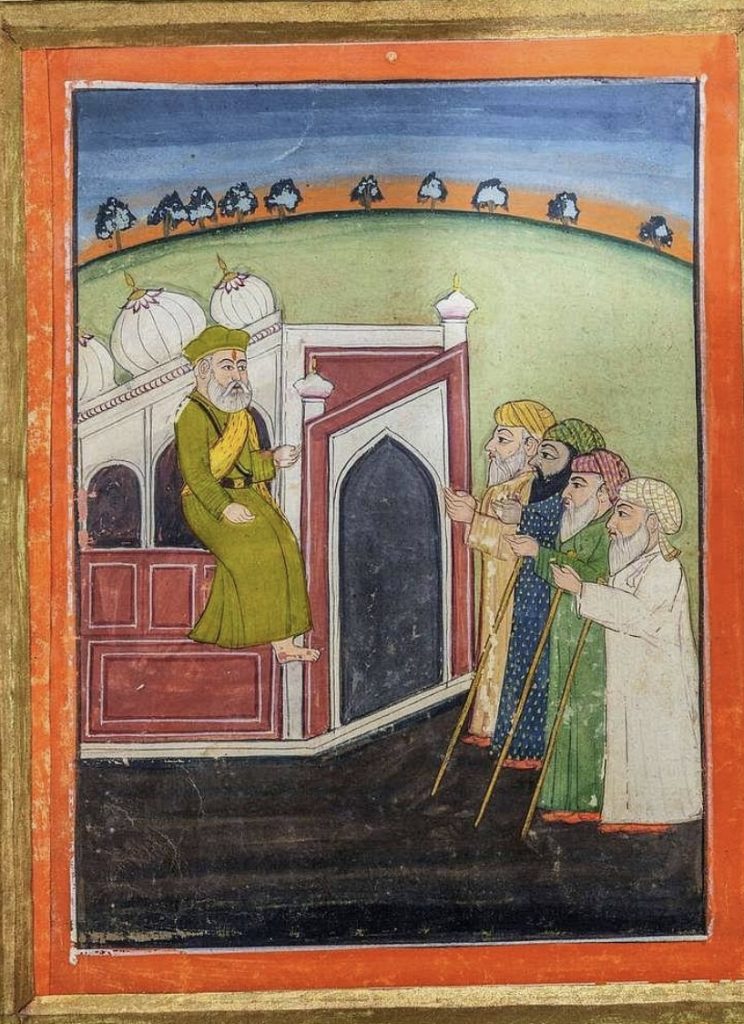
NANAK PRAKASH
NANAK PRAKASH, by Bhai Mahendranath Bose, is a biography of Guru Nanak in the Bengali language. The author was a...
This section brings together entries beginning with the letter N, covering areas like nature’s diversity, the intricacies of neuroscience, and narratives that have shaped cultures. From natural phenomena to national histories, explore a collection of content that dives into various subjects linked by the letter N.
NANAK PRAKASH, by Bhai Mahendranath Bose, is a biography of Guru Nanak in the Bengali language. The author was a...
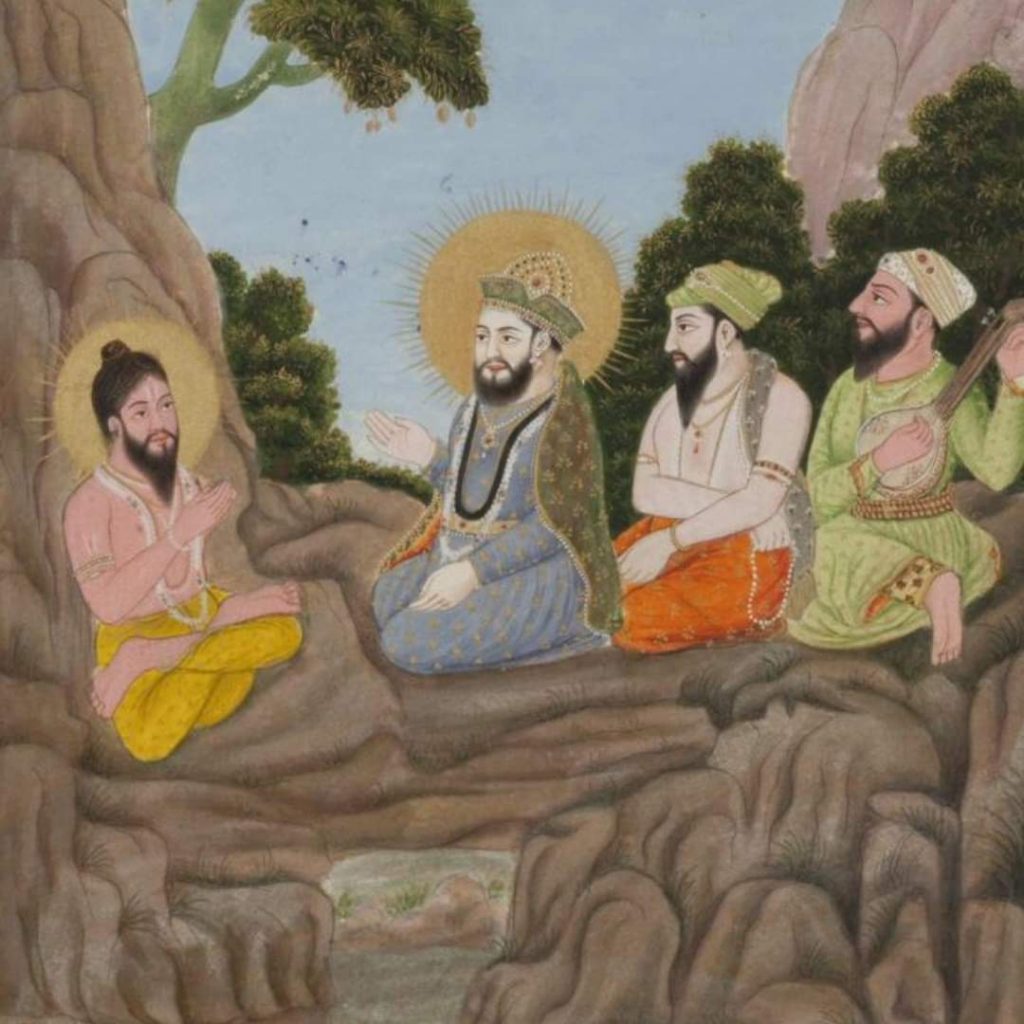
NANAK SURAJODE JANAM SAKHI, by Ganesha Singh Bedi, is an account in verse of the life of Guru Nanak, founder...
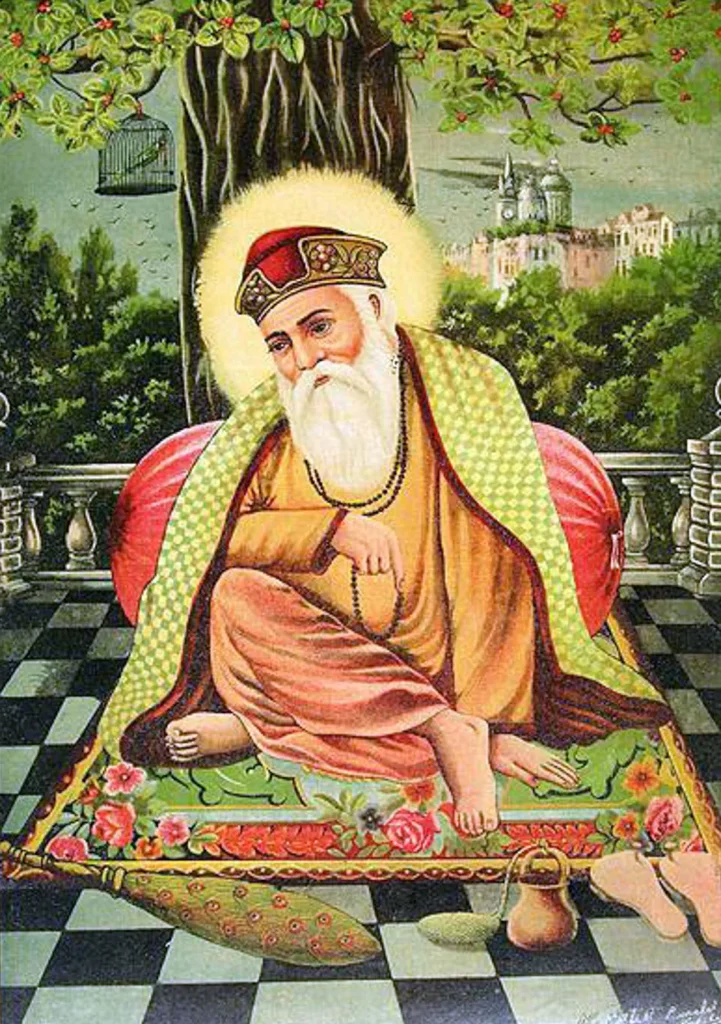
NANAK VIJAI, more properly known as Sn Guru Nanak Vijai, in manuscript, is a narration in verse of the events...
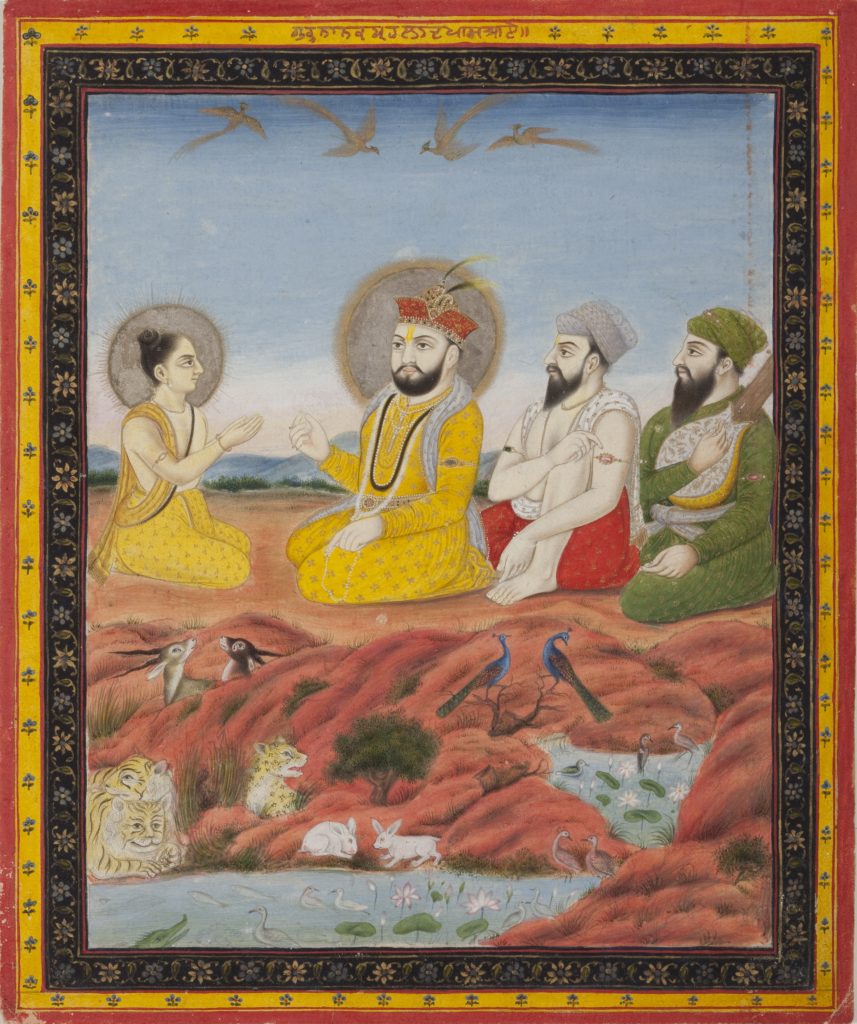
NANAK, by Ksitish Chakravarty, is a versified biography of Guru Nanak (1469-1539) in Bengali. The author, a lawyer by...

NANAKI (d. 1856), daughter of Sham Singh Atarivala, was married in March 1837 to Prince Nau Nihal Singh, son of...
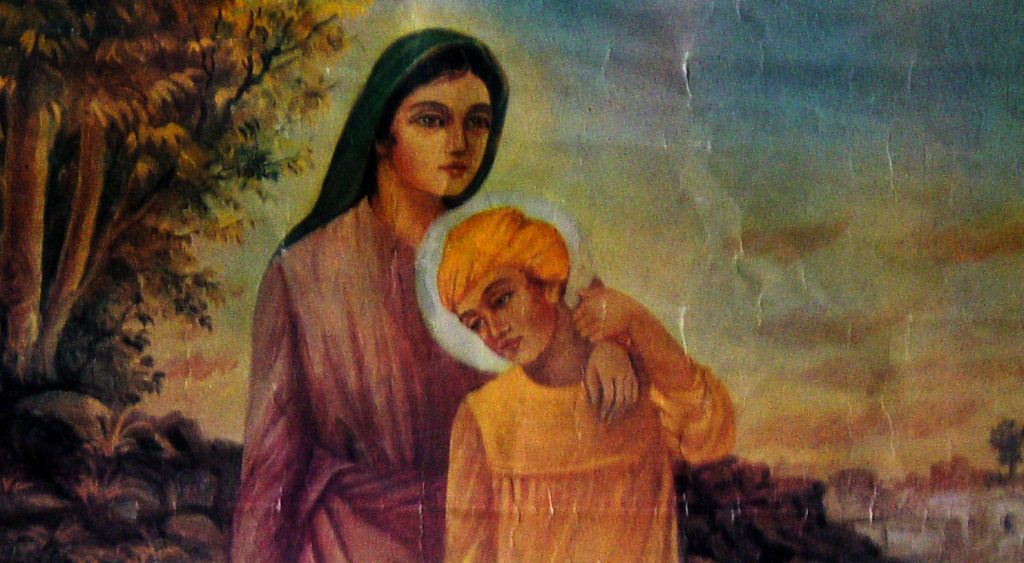
NANAKI, BEBE, or Bibi Nanaki (1464-1518), elder sister of Guru Nanak and the daughter of Kalian Chand (Baba Kalu)...
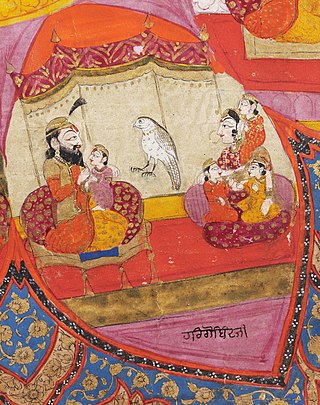
NANAKI, MATA (d. 1678), mother of Guru Tegh Bahadur, was born to Hari Chand and Hardei, a well to do...
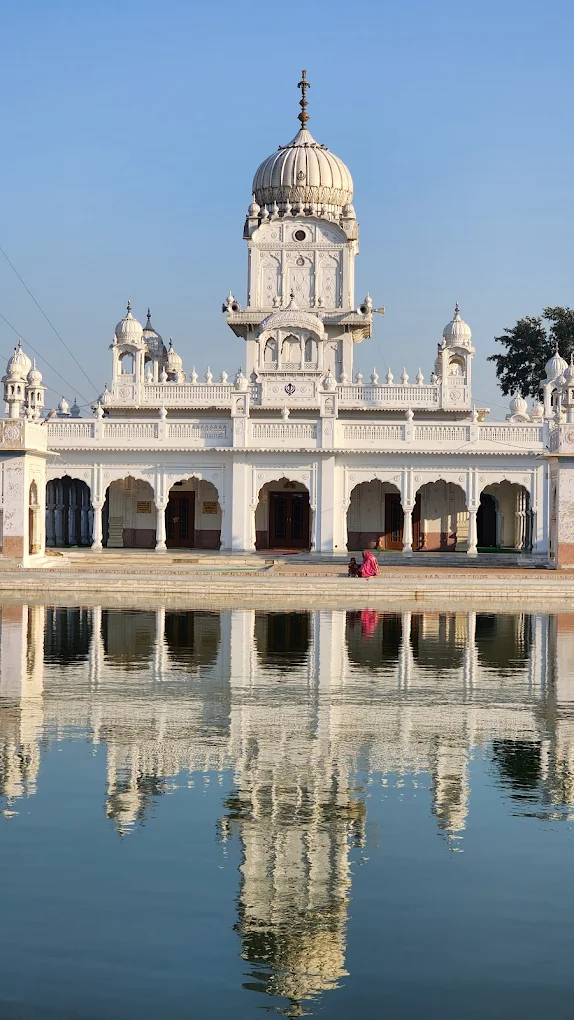
NANAKIANA SAHIB, GURDWARA, near the village of Mangval, 4 km east of Sangrur (30° 14`N, 75° 50`E) in the Punjab,...

NANAKPANTHI, lit. the follower of the panth or way of Guru Nanak. The term Ndnakpantht was perhaps used for the...
NAND CHAND, of the village of Darauli Bhai, who had been a playmate of Guru Gobind Singh, served as a...
NAND GOPAL, son of Kanhaiya Lal, joined the service of the Sikh government as a munshi (clerk) in 1840. His...
NAND LAL, BHAI (c. 1633-1713), poet famous in the Sikh tradition and favourite disciple of Guru Gobind Singh. His poetry,...
You can explore everything you're looking for in The Sikh Encyclopedia library. Simply type the keyword and press enter to begin your search.
The word you want to search: History
New membership are not allowed.


