
SHAHIDGANJ AGITATION
Discover the intense Sikh-Muslim conflict in Punjab over the sacred Gurdwara Shahidganj site in Lahore from 1935 to 1940. Learn...
Explore posts tagged with lahore.
Discover the intense Sikh-Muslim conflict in Punjab over the sacred Gurdwara Shahidganj site in Lahore from 1935 to 1940. Learn...

Explore the heroic tales of Baba Ram Singh Bedi, a formidable Nihang warrior from Sialkot, descendant of Guru Nanak, who...

Explore Ram Singh's impact in aiding the 1848 anti-British rebellion, including hosting rebels at his dharamsala in Zahura and introducing...
Discover the legacy of Ram Singh, expert in Arabic & Persian, rising to Brigadier General in Maharaja Ranjit Singh's army...

Discover the captivating history and architecture of Samman Burj, the octagonal Mughal marvel in Lahore Fort, known for its royal...
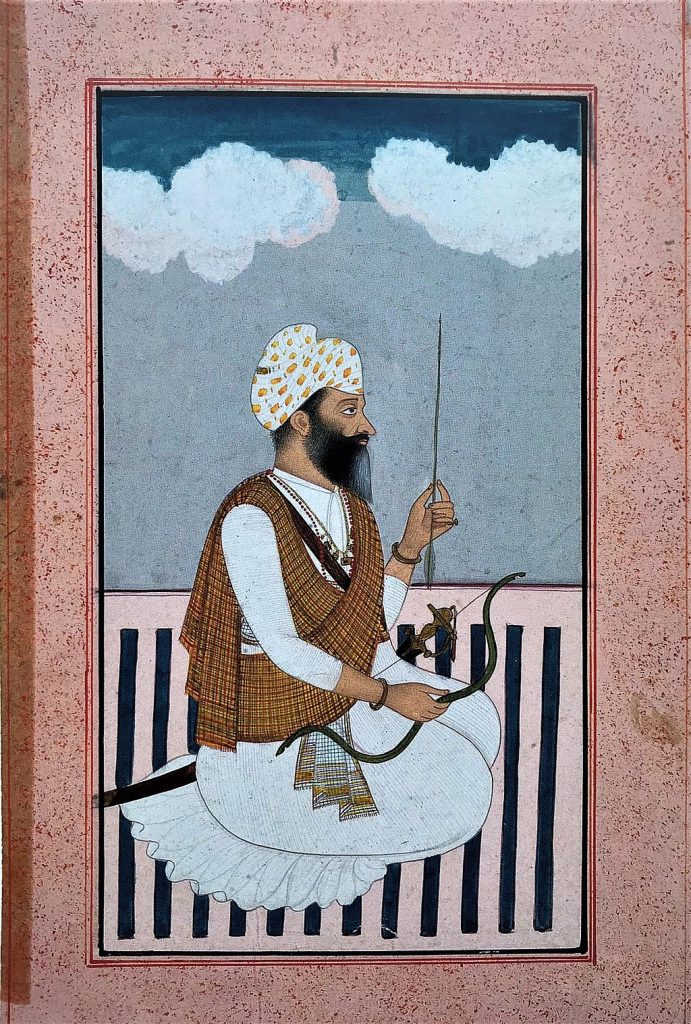
Explore the legacy of Ahluvalia Misl, a prominent 18th-century Sikh confederacy in Punjab, led by the legendary Jassa Singh Ahluvalia.

Explore Amir Chand's journey from Maharaja Ranjit Singh's treasury to his dismissal post Anglo-Sikh War, amidst duty and defalcation controversies.

Explore Atar Singh Atarivala's journey from rebellion to redemption in British India. Discover his legacy and connection to the Punjab...
BHAGAT SINGH (1907-1931), revolutionary and martyr, was born on 27 September 1907 at the village of Banga, Lyallpur district (now...
BUDDHA SINGH (b. 1891), a Ghadr revolutionary, was son of Ishar Singh of the village of Sursingh, now in Amritsar...

CHATAR SINGH ATARlVALA (d. 1855), commander and provincial governor under minor Maharaja Duleep Singh, was the son of Jodh Singh...
DEVINDER SINGH, RAJA (1822-1865), was born on 5 September 1822, the son of Raja Jasvant Singh of Nabha. He ascended...
You can explore everything you're looking for in The Sikh Encyclopedia library. Simply type the keyword and press enter to begin your search.
The word you want to search: History
New membership are not allowed.


